How Steve Jobs Bought Pixar From Lucasfilm
How Lucasfilm's computer graphics group became Pixar: Ed Catmull, Alvy Ray Smith and John Lasseter, Steve Jobs's $10 million in 1986, what that is today, and the years of losses he paid for. Chapter 2 of Pixar, from Lamp to Land.

Quick Answer: Pixar began in 1979 as Lucasfilm's Computer Division, run by Ed Catmull with Alvy Ray Smith leading its graphics work. In February 1986 Steve Jobs put $10 million into spinning it out as Pixar, with $5 million going to Lucasfilm for the technology, or about $30 million in today's money. He kept covering the losses, about $50 million in all by 1991, and Pixar's first big profit came with Toy Story in 1996.
1979
Lucasfilm's Computer Division starts, Ed Catmull in charge
Source: Pixar
$10M
Steve Jobs's 1986 stake, $5M of it to Lucasfilm
Source: Alvy Ray Smith, IEEE Spectrum
About $50M
what Jobs had put in by 1991
Source: Alvy Ray Smith, IEEE Spectrum
Before Pixar made a movie, it was a department of George Lucas's company. Getting from there to a studio took seven years, one famous investor and a lot of red ink.
George Lucas hires a computer division
In 1979, Lucas recruited Ed Catmull from the New York Institute of Technology to head Lucasfilm's new Computer Division. Pixar's own history lists what Lucas wanted from it: digital film and sound editing, a laser film printer and more computer graphics. Alvy Ray Smith, Catmull's colleague from NYIT, came over to run the graphics research. Its work hit theaters early, including the Genesis Effect in Star Trek II (1982), which Pixar counts as the first fully computer-animated sequence in a feature film.
John Lasseter, a Disney animator from 1979 to 1984 (chapter 1 covers how that ended), joined in 1984 and animated The Adventures of André & Wally B., shown at the SIGGRAPH graphics conference that year.
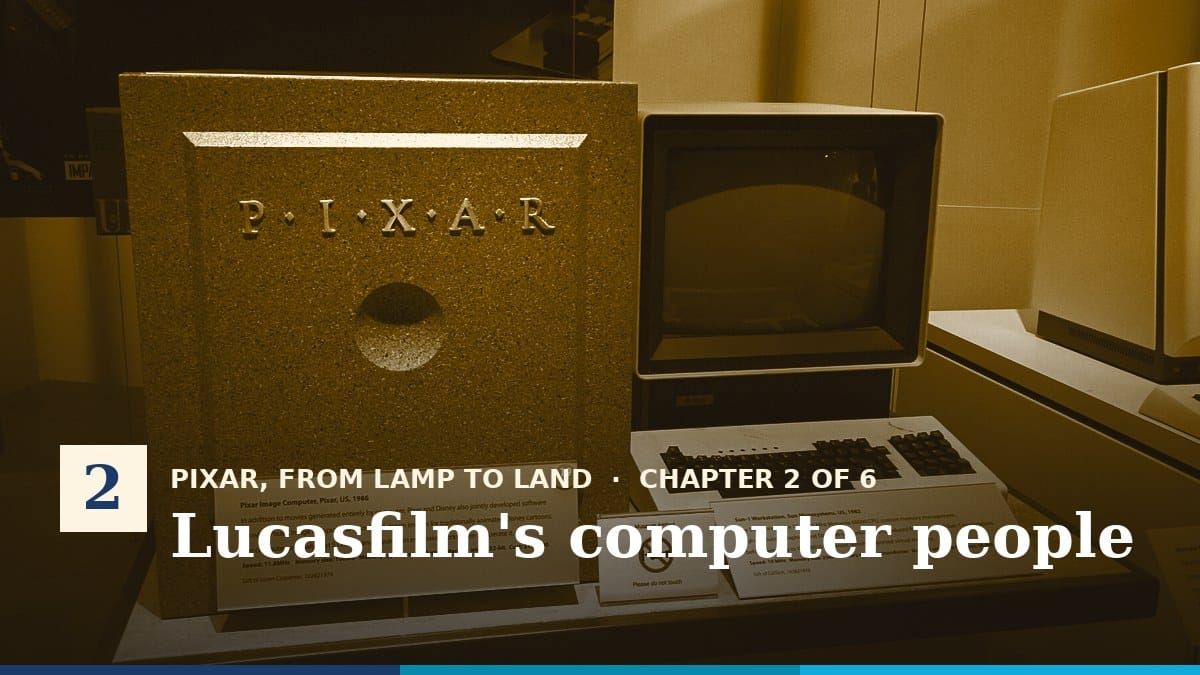
The business plan, though, was a machine. In his own account for IEEE Spectrum, Smith writes that neither a software company nor an effects-and-commercials shop could support their 40 people: “It had to be hardware.” Their Pixar Image Computer crunched pixels about four times as fast as comparable general-purpose systems.
From Lucasfilm to Pixar
- 1979Catmull comes to Lucasfilm.
- 1984Lasseter joins.
- February 1986Pixar spins out with Jobs's money.
- 1989RenderMan on sale; first commercials.
- March 1991Jobs buys out the employees.
So did Steve Jobs buy Pixar?
After Lucas's 1983 divorce, Smith writes, the division was split up to be sold. When a deal with General Motors and Philips fell through in late 1985, Catmull and Smith asked Steve Jobs, then running NeXT, to repeat an offer Lucasfilm had brushed off. This time it worked.
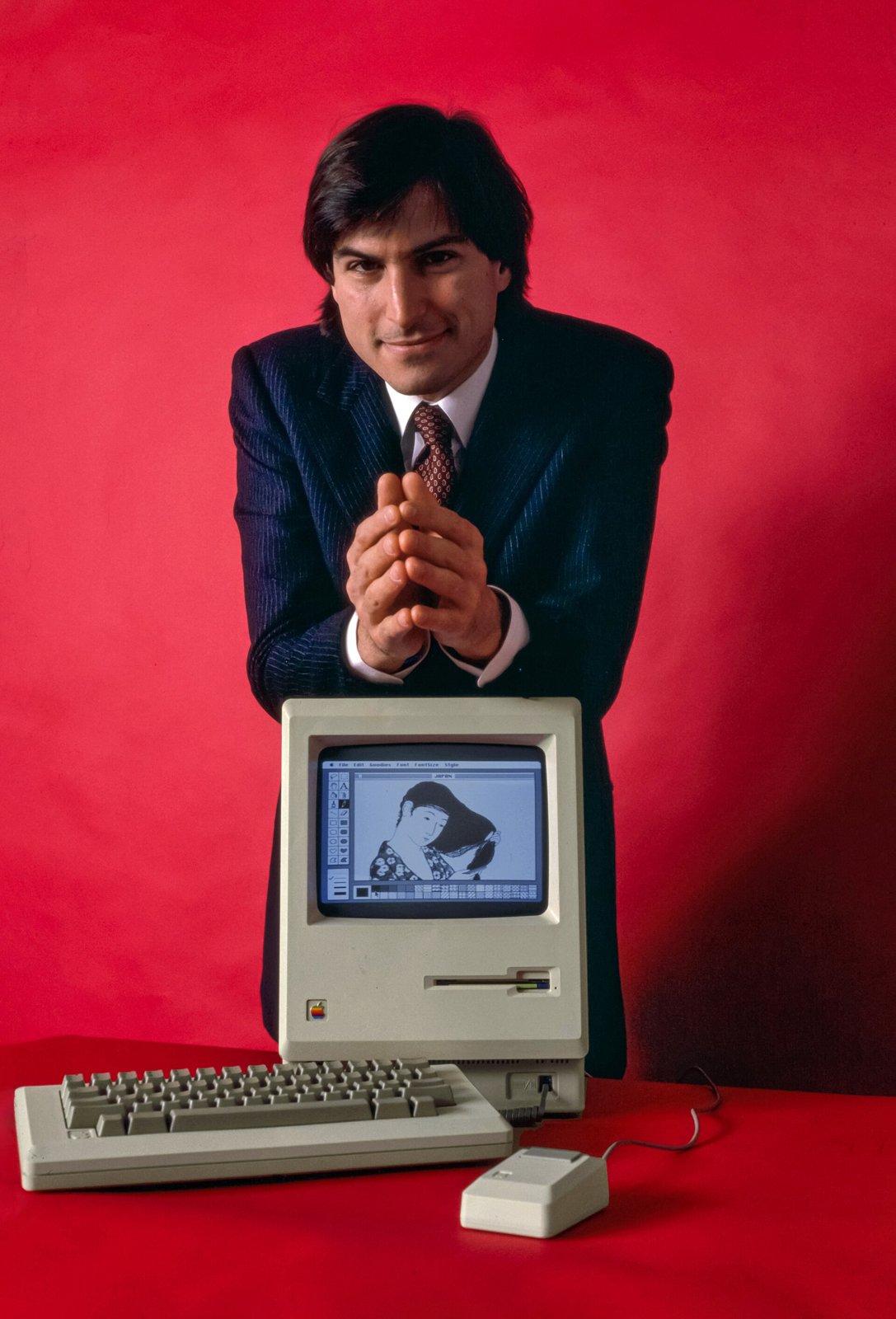
In Pixar's 1996 annual report, Jobs “purchased the computer division of LucasFilm.” Smith, a co-founder, puts it differently: “Jobs did not buy Pixar.” By his account, Jobs put $10 million into a spinout for 70 percent, employees held the other 30, and the first $5 million check went straight to Lucasfilm for the technology rights. The new company shared its computer's name: Pixar. Both accounts agree on the money; Smith's point is that Jobs didn't own all of it until 1991.
The receipts
| What | Then | Today, roughly |
|---|---|---|
| Jobs's stake, 1986 | $10 million | about $30 million |
| The check to Lucasfilm | $5 million | about $15 million |
| Jobs's total by 1991 | about $50 million | $125 million to $155 million |
Amounts: Alvy Ray Smith, IEEE Spectrum. Adjusted with BLS CPI-U from 1986 (last row, 1986 to 1991) to October 2026, rounded. Last Checked: November 17, 2026.
Ten years of checks
Hardware never paid the bills. Until 1996, Pixar earned most of its steady revenue from licensing its RenderMan software, from software development contracts and from TV commercials, the first a 1989 Tropicana spot Lasseter directed. It also sold off pieces of the hardware side for cash.
Jobs covered the gap: about $50 million over several refinancings, half his Apple fortune, by Smith's count. On March 6, 1991, he bought out the employees.
From the record
“Until 1995, Pixar financed its operations primarily through financial support from its majority shareholder in the form of capital infusions and promissory notes.”
Pixar's profit or loss, 1992 to 1996
Pixar still lost money from 1992 to 1994 and ended 1995 with an accumulated deficit of about $41 million. What turned 1996 into a profit of about $25 million was a movie, and that's chapter 3.
Star Tours is the family connection
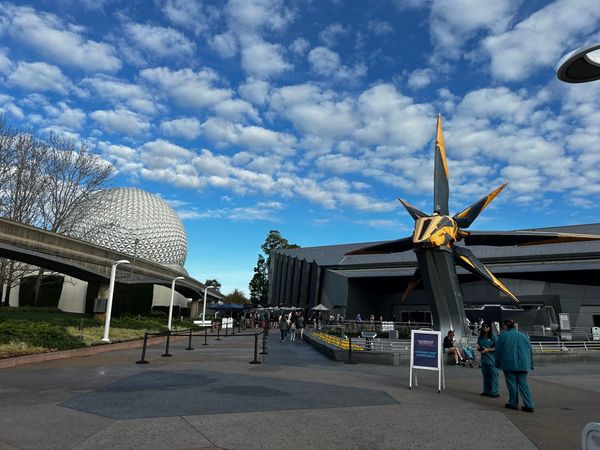
Star Tours – The Adventures Continue at Disney's Hollywood Studios is Lucasfilm's world: a 3D flight-simulator trip through Star Wars, C-3PO at the controls. Pixar grew up inside the same company, and both ended up at Disney, Pixar in 2006 and Lucasfilm in a deal announced in 2012. Planning that day? Our Hollywood Studios Lightning Lane guide shows where Star Tours fits.
Look for it next trip
Star Tours – The Adventures Continue
Where: Disney's Hollywood Studios, Echo Lake
What to spot: Star Wars, from the company Pixar began inside before it was spun out with Steve Jobs's money in 1986.
Sources
- Our Story, Pixar
- The Real Story of Pixar, Alvy Ray Smith, IEEE Spectrum, 2021
- Form 10-K for 1996, Pixar, 1997
- The Adventures of Andre & Wally B., SIGGRAPH History Archive
- Disney to Acquire Lucasfilm, The Walt Disney Company, 2012
- Star Tours – The Adventures Continue, Walt Disney World
- CPI-U, U.S. Bureau of Labor Statistics, 2026